
Willard Barth
I lost my left leg to bone cancer in 1973. I was eight years old.
What followed took sixteen years to work through. Alcohol at thirteen. Drugs. Six DWIs. Jail. $250,000 in debt and homeless. By 1989 I was financially, spiritually, mentally, and physically bankrupt, and I was out of ideas.
The morning it changed.
August 17, 1989. I was going out for one last drunk. I was facing court in five days and I had no doubt I was going back to jail, so I figured I'd lose everything with a drink in my hand.
Somewhere in that night, sitting on a porch, I opened a beer, looked at the top of the can, and said out loud that I was finished. Then I poured it on the ground. I've been sober ever since.
The next morning I woke up in the front seat of my car in a hotel parking lot and couldn't remember how I got there. I'd been arrested for drunk driving a month earlier. Lying there, something finally came apart. For years I'd told myself I drank because I had problems. That morning I understood I had problems because I drank. There was nobody left to blame and no angle left to work. What I was running from was me.
Four days later I stood in front of a judge in New Jersey. He had my file open and he believed this was my first offense, because New Jersey didn't have my Maryland records. He asked if I'd ever been arrested for DWI before.
I told him about all five.
He sentenced me to a minimum of six months in jail, with his final determination contingent on my completing a rehabilitation program. At six DWIs I could have been facing years. People said afterward I should have kept my mouth shut. But I couldn't play the system and change my life at the same time. That was the first honest thing I'd done in years, and it's where everything after starts.
What I learned in rehab, I still use.
I walked into a treatment center in Bellefonte, Pennsylvania on September 5, 1989. I've been sober since August 17 of that year, and I've spent every year since studying how people change.
What I found there wasn't willpower. It was a method. Other people had done what I was trying to do, and if I studied how they thought, what they believed, and what they actually did, I could follow it. I learned later this has a name: Modeling. Learn from someone else's mistakes and successes so you don't have to make all of them yourself.
That's the same thing I do with companies now. Find what's working, find what isn't, find the pattern underneath, and build the path.
A counselor named Mary Natoli asked me what I was so angry about. I exploded. I was eight years old, what did I do that was so bad. She told me she couldn't answer that, and neither could anyone else. But she asked what would happen if all of it had been preparing me for something. If part of the purpose was helping someone else avoid the same road.
I didn't care about anyone else that day. But it stuck, and it became the reason I do what I do.
What I do now.
Since 1997 I've worked with founders and managing partners on why their companies still run through them. For the last sixteen years, a global consulting firm has brought me in when their clients need someone who has actually run something.
I'm co-creator of Neuro Associative Programming (N.A.P.), a methodology for how people change at the level of identity and belief rather than behavior. It's underneath everything I teach.
I've written two books: The Anatomy of Transformation, a number one bestseller, and The Warrior Sage: Sacred Scars, the full story. I speak, and I host two television shows where I interview people about what actually happened to them.
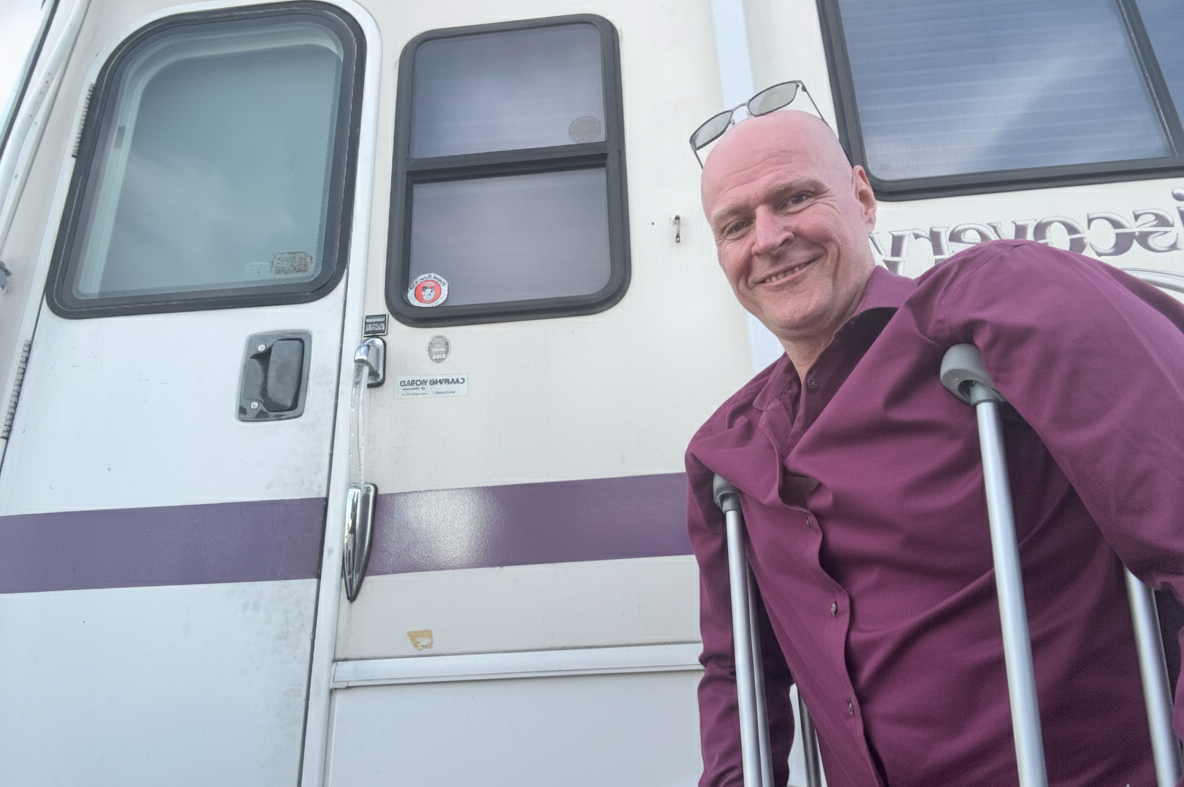
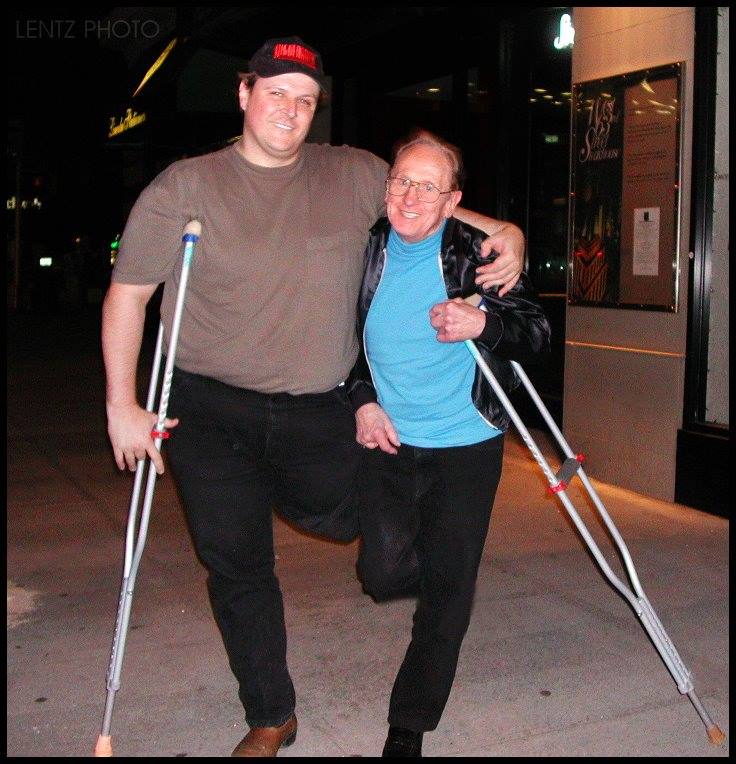
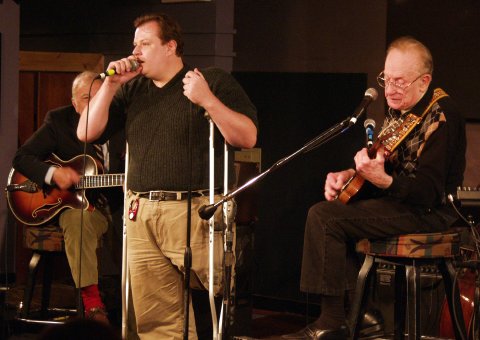
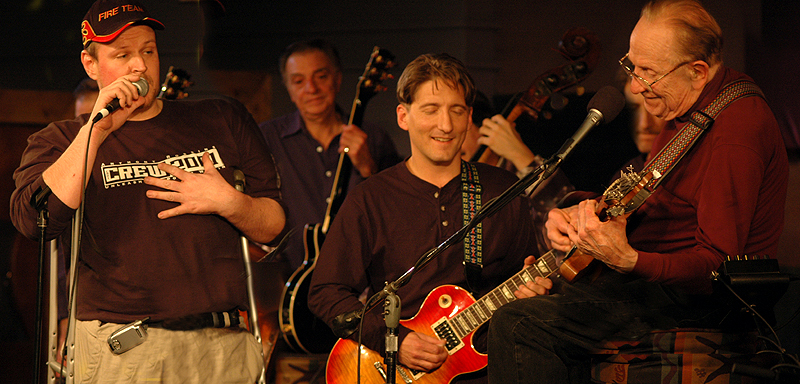
Photographs by Christopher Lentz.
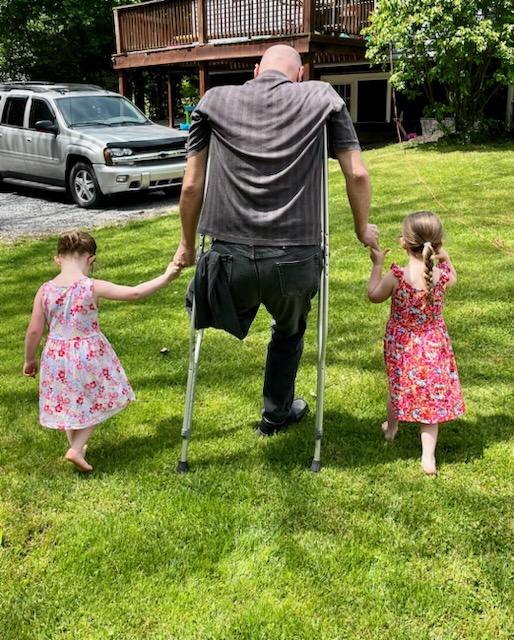
Life isn't all about business. The greatest gift that came from the transformation that started in 1989 is the family I have been blessed to be a part of. It's moments like this, time with my granddaughters, that all the work was really for.
Why this matters for your business.
I'm not going to tell you your company is like getting sober. It isn't.
But I've spent every year since 1989 on one question: Why do people know exactly what to do and not do it? That's the question underneath a founder who knows he should delegate and doesn't. Who knows the business shouldn't run through him and can't stop it running through him.
The obstacle changes. The mechanics don't. I've been through enough of my own to recognize the shape of someone else's, and I'll tell you what I actually see rather than what's comfortable.